

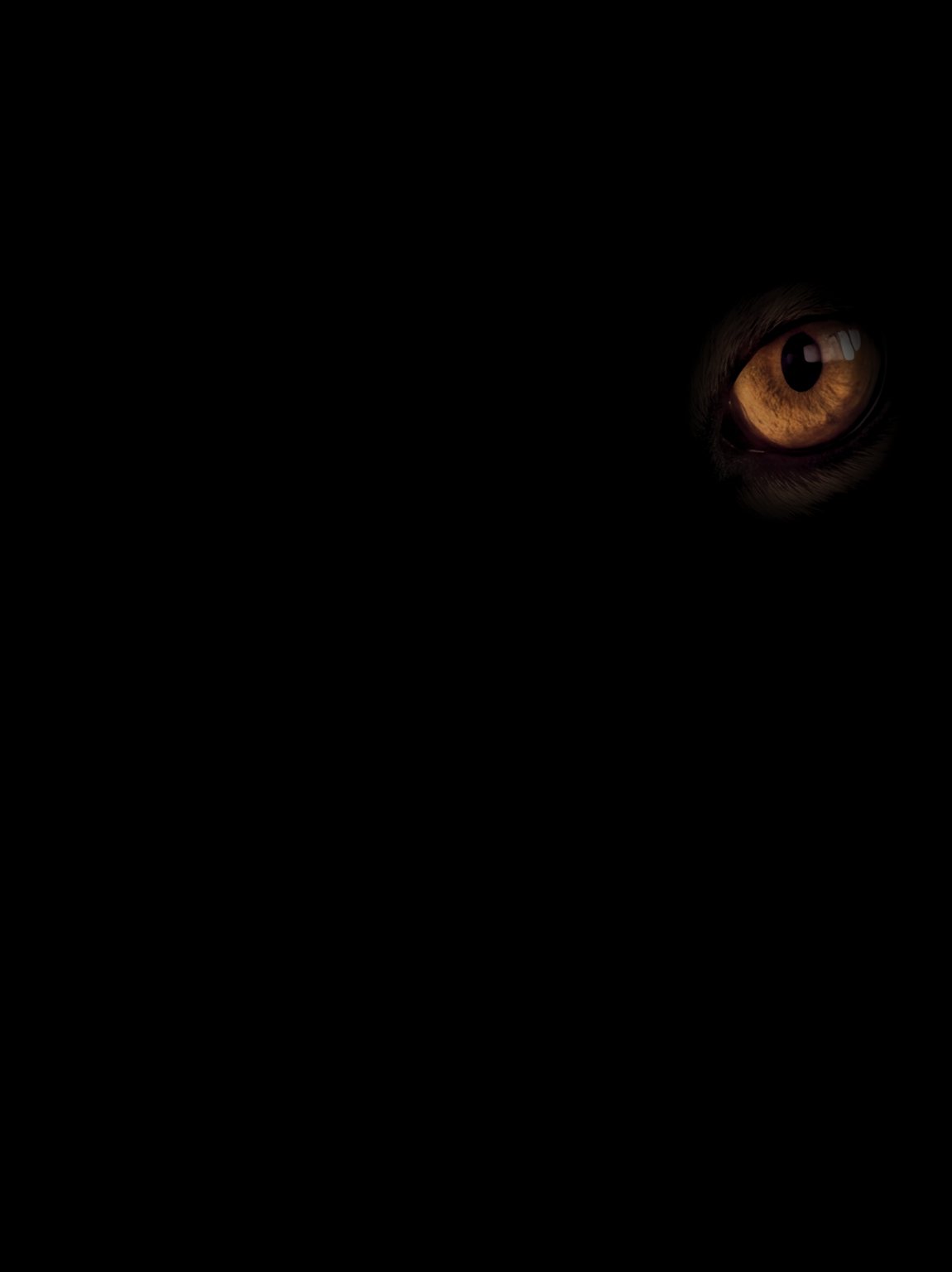
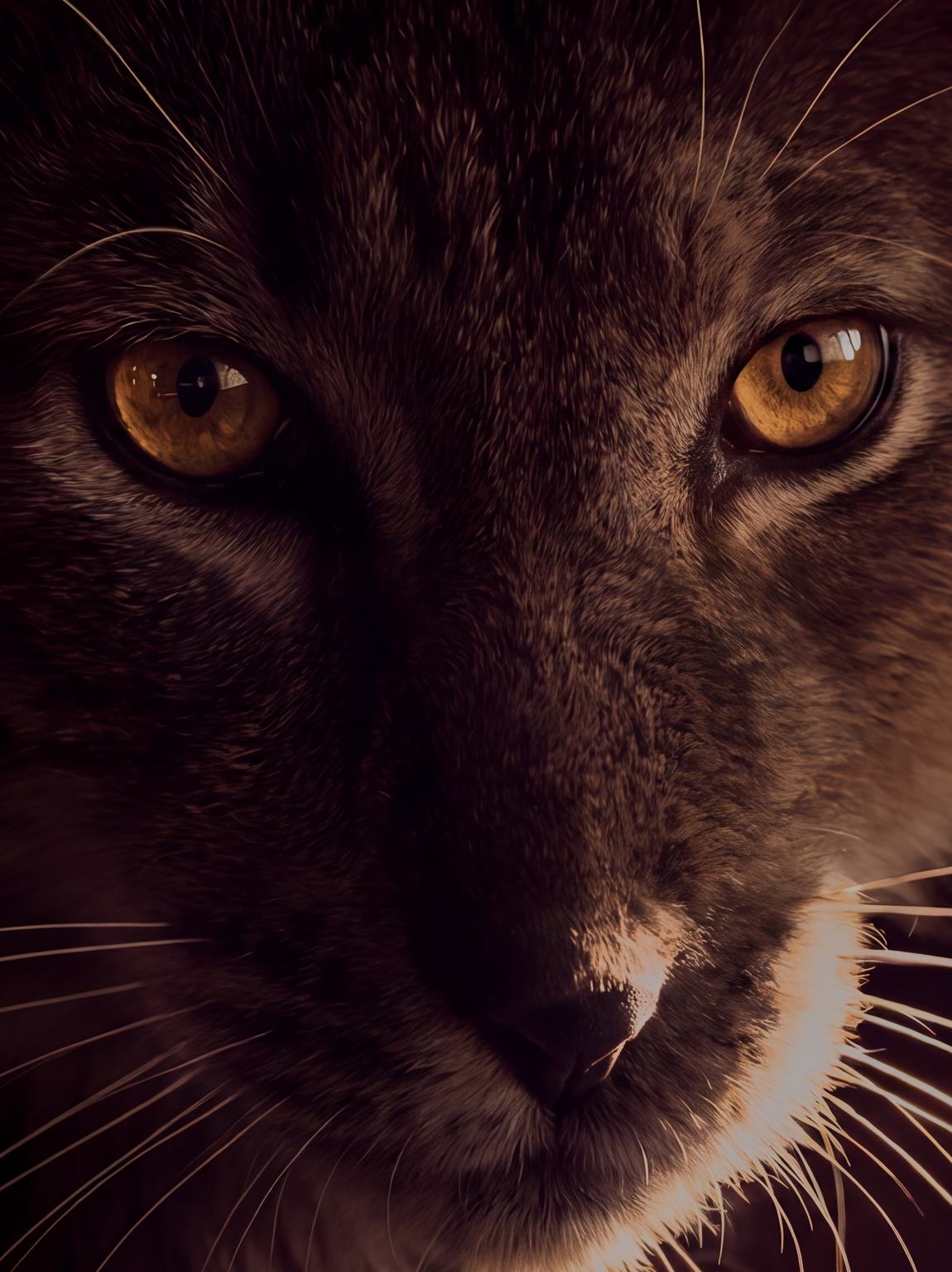
Every video starts with something you are certain about.
An owl turns its
head to look
around.
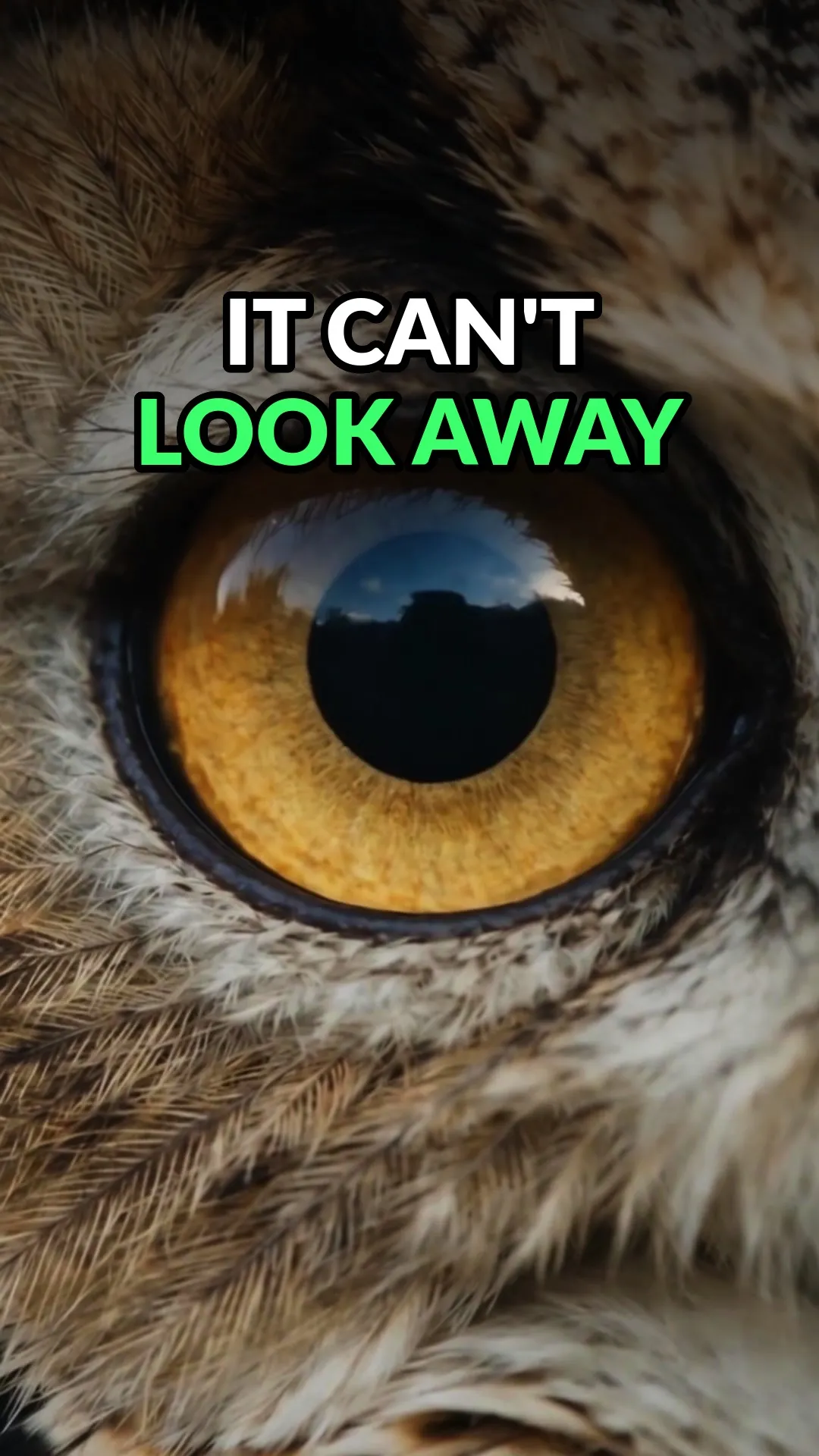
Its eyes cannot move. They are rigid bone tubes locked into the skull, so the neck does all of the work.
Every video ends with the mechanism.
Every short breaks one belief.
Seventeen are live. One is cut and dated, waiting on the slot. Where a single paper carries the claim, the card cites it.
Published
Belief
Whiskers are sensitive hairs on an animal that can already see what it is doing.
A cat cannot focus closer than about twenty-five centimetres, so the treat under its nose is a blur. Each whisker is rooted in a blood-filled capsule wired with hundreds of nerve endings, and the blood amplifies the smallest deflection, so the cat reads air bending around an object before anything touches it.
Published
Belief
A chameleon changes colour to blend into its background.
An undisturbed one is already leaf green and matches without doing anything. The colour changes make it more visible, not less, and they are aimed at other chameleons. Under the skin a lattice of guanine crystals spreads apart and slides the reflection from blue and green out through orange and red.
Published
Belief
A polar bear is white, and its fur pipes sunlight down to its skin.
Not one hair is white. Each is a transparent hollow tube standing on black skin, and the coat looks white the way snow does, by scattering. The fibre-optic solar fur was measured in 1998 and essentially no light reaches the far end of a hair. Keratin absorbs it.
Published
Belief
Wasps turn aggressive in the autumn.
They are starving. An adult wasp’s waist is too narrow to pass solid food, so all summer it lives on sugar the colony’s own larvae feed back to it in exchange for meat. In late August the queen stops laying, the larvae run out, and thousands of workers lose their only fuel at once.
Published
Belief
Squirrels forget where they buried their nuts, and that is how forests get planted.
They come back to their own caches by memory days later. And when another squirrel is watching, they dig a hole, tamp it flat and walk away with the nut still in their mouth. Where theft is likely, up to one caching event in five is theatre.
Published
Belief
Twelve colour receptors mean a mantis shrimp sees colours you cannot imagine.
It reads colour worse than you do. Shown two close shades of orange it cannot tell them apart. Your three receptors feed a brain that compares their signals, and millions of colours come out of that disagreement. The shrimp’s twelve channels are never compared, which is likely a speed trick for a small brain.
Published
Belief
A snake has no ears, so it never heard you coming.
Its jawbone lies on the ground, and your footsteps travel soil to bone to inner ear. The two halves of that lower jaw are not fused, so each side reads the ground on its own. Left and right, in stereo, through the earth.
SourceFriedel, Young & van Hemmen, Physical Review Letters, 2008
Published
Belief
A hummingbird drinks nectar up its beak like a straw.
The tongue is forked, and each fork carries a fringe that springs open in the nectar and shuts on it as the tongue pulls back. Nothing is sucked. It is trapped, about fifteen times a second, and it took a high-speed camera in 2011 to see it.
Published
Belief
A monarch flying south is following a route it knows.
It has never been there, and neither had its parents. It steers by the sun, and the sun moves all day, so the angle is worthless without a clock. The clock is in the antennae. Black one antenna and leave the other clear and the flight line falls apart, because a lying clock is worse than no clock.
Published
Belief
The spider on your wall in September came in from the cold.
It never lived outside. House spiders are a different species from the ones in your garden, and are rarely found outdoors even where they come from. What changes in September is the males: newly mature, they leave the web they grew up in and walk your floors looking for a female who already lives with you.
Published
Belief
An ant colony runs on orders, and the queen is the one giving them.
Nobody is in charge. Every ant follows the pheromone trail of the ant in front of it, and the colony falls out of that one rule. When the trail closes into a loop the rule has no exit, so the mill turns until the ants drop.
Published
Belief
The sting is over when the bee dies, and what is left in your arm is a splinter.
It is a machine that outlives its bee. Its own muscles and its own nerve centre keep the barbed lancets sawing deeper while the venom pump runs, ninety percent of the dose inside twenty seconds. Then it broadcasts a scent that marks you for every bee in the air.
Published
Belief
A moth circles a flame because it is attracted to the light.
It is not chasing anything. Light hijacks the reflex that keeps a moth upright, tilting its back toward the brightest patch. The orbit is a fall it cannot stop.
Published
Belief
A woodpecker’s skull is a built-in helmet that cushions every strike.
High-speed video shows beak and brain decelerating in the same instant. There is no cushion. The head is a stiff hammer, and the brain survives because it is too light to injure.
Published
Belief
A spider walks its web without sticking because its feet are oiled.
The web is barely sticky. Glue sits on the spiral threads only, the spokes are dry, and the spider travels the dry lines it built to travel on.
Published
Belief
The roadrunner is the fast one and the coyote never stands a chance.
A coyote sprints about 43 mph, the bird about 20. The roadrunner survives on steering, not speed, cutting angles the heavier animal cannot hold.
Published
Belief
An owl swivels its head because it is scanning the woods around it.
Owl eyes are not balls. They are rigid bony tubes locked into the skull, so nothing swivels. Fourteen vertebrae and blood-pooling arteries do all the work instead.
Scheduled
Belief
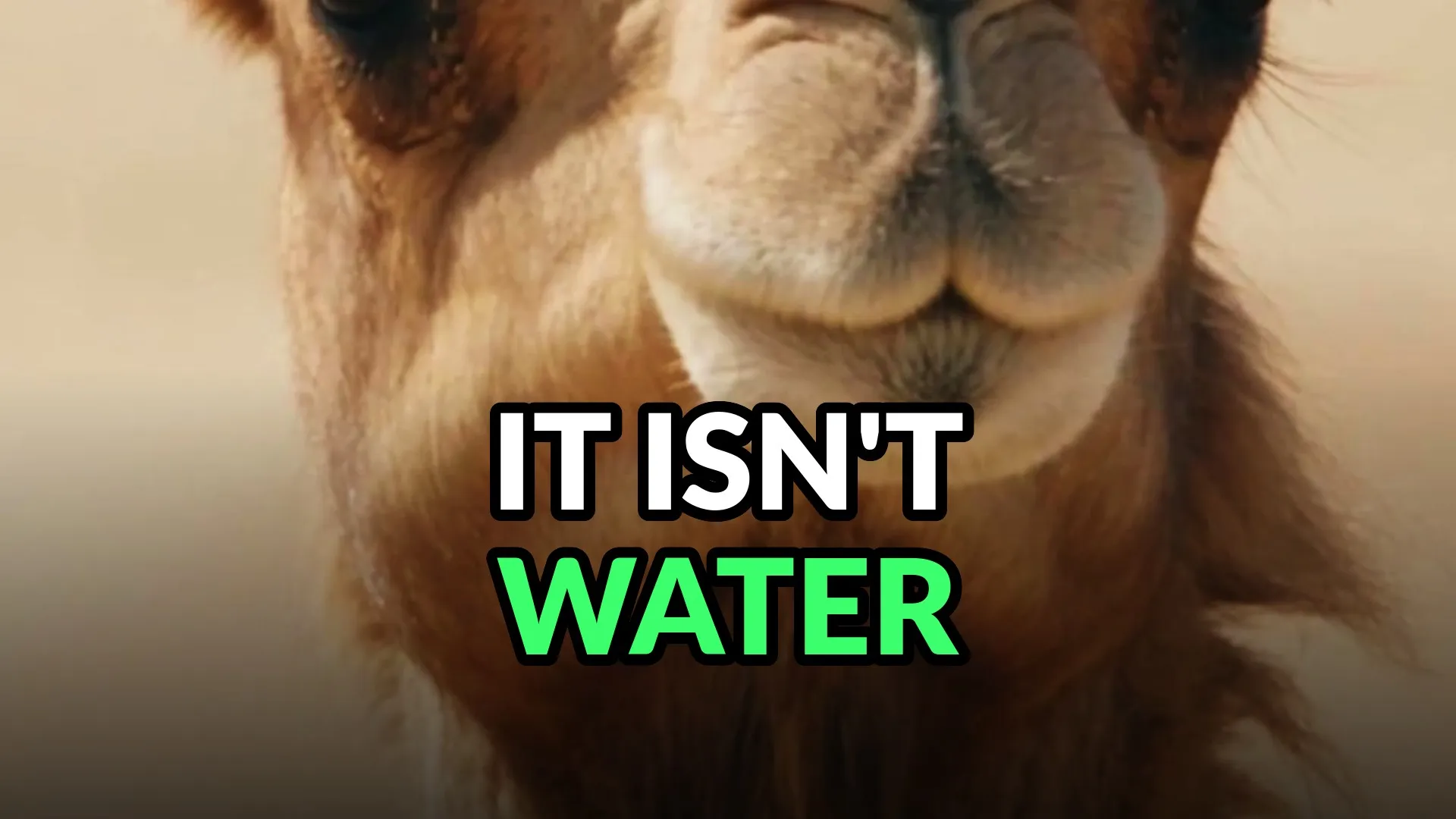
A camel stores water in its hump.
The hump holds no water at all. It is up to thirty-five kilograms of fat, and burning fat costs the camel water to breathe. The desert engineering is in the blood: red cells shaped as smooth ovals keep sliding through vessels that thickened blood would jam, and swell past twice their volume when the camel finally drinks.
New work lands four days a week.
Shorts take the four days and YouTube gets them first. The list is the one channel a ranking change cannot bury, which is the only reason it exists.
YouTube
Every short lands here first, the day it publishes.
Shorts, 16:00 ET
- Monday
- Wednesday
- Friday
- Saturday
One email, only when it earns one.
Nothing on a schedule. The list is for the rare thing too big to fit in forty seconds, and that is all it sends.
You are on the list. Nothing arrives on a schedule. There is no confirmation email either, so treat the silence as the receipt.